
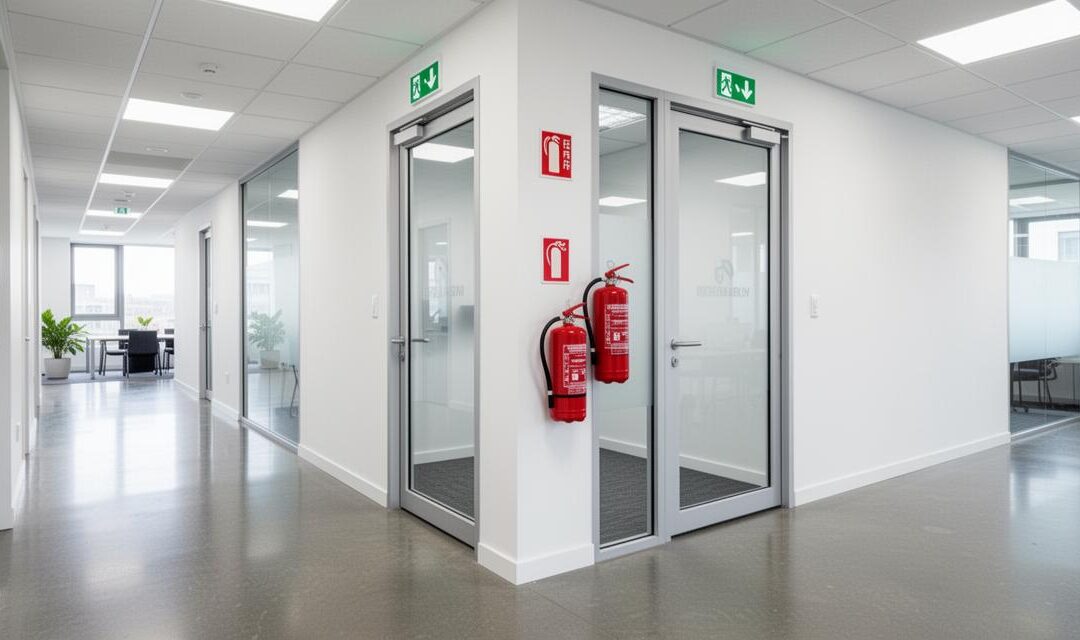
Fire safety is one of those responsibilities that can be all too easy to overlook until the moment it truly matters. Whether you manage a commercial premises, a rented property, or a busy workplace, ensuring that your fire extinguishers are in proper working order is not simply good practice — it is a legal obligation that carries real consequences when neglected.
At a glance
- Regular fire extinguisher maintenance is a legal requirement for property owners and employers under the Regulatory Reform (Fire Safety) Order 2005.
- Neglected extinguishers can lose pressure or experience component degradation, leading to potential failure during an emergency.
- Effective fire safety depends on using the correct type of extinguisher, such as water, CO2, foam, or powder, for specific fire risks.
- Compliance requires monthly visual inspections by staff and mandatory annual professional servicing to ensure equipment remains operational.
- Routine inspections and servicing extend the lifespan of extinguishers, preventing premature replacement and reducing long-term equipment costs.
- Failing to maintain records and equipment can lead to invalidated insurance policies, severe legal penalties, and successful prosecution for negligence.
Why Routine Fire Extinguisher Inspections Are a Matter of Life and Safety
Under the Regulatory Reform (Fire Safety) Order 2005, any responsible person — whether an employer, property owner, or managing agent — must ensure that fire protection equipment is properly maintained at all times. This framework places the duty of care squarely on those who manage non-domestic premises, making fire extinguisher servicing far more than a box-ticking exercise.

How faulty extinguishers can fail when you need them most
The uncomfortable truth about poorly maintained extinguishers is that they tend to fail precisely when they are needed most. Over time, fire extinguishers lose pressure and their internal components degrade, which means that a unit left unchecked for years may discharge weakly, fail to discharge at all, or even present a hazard in itself. Fire extinguisher reliability depends entirely on consistent upkeep — a point that is frequently underestimated by those who assume a wall-mounted extinguisher is simply ready to use at any moment.
Different extinguisher types serve distinct purposes, and understanding this is central to effective fire risk management. Water extinguishers are suited to Class A fires involving solid materials such as wood or paper, whilst carbon dioxide units are well suited to electrical fires and leave no residue. Foam extinguishers tackle flammable liquid fires by creating a suffocating barrier, and powder variants can address multiple fire types simultaneously. Keeping each type in sound condition ensures the right tool is functional when seconds count.
The key checks that keep your fire extinguishers in working order
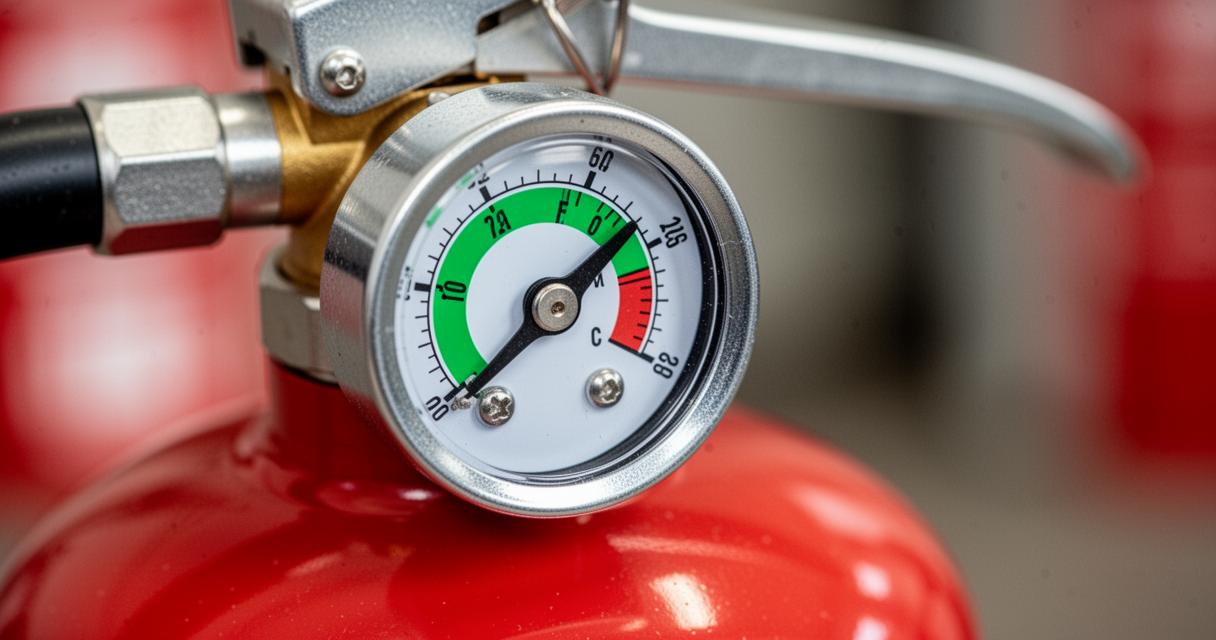
British Standard BS 5306 compliance sets out a clear schedule for fire extinguisher maintenance. Monthly visual checks — typically carried out by trained members of staff — confirm that units are visible, unobstructed, and show no obvious signs of damage. Annual professional servicing goes considerably further, involving pressure testing, internal inspection, examination of hoses and nozzles, replacement of seals and safety pins, and the updating of maintenance records. For water, foam, and powder extinguishers, an extended service is required every five years, whilst CO₂ extinguishers must undergo pressure testing every ten years. These intervals are not suggestions; they form part of the legal fire safety obligations that govern workplace fire safety across the United Kingdom.
Protecting your financial investment through proper maintenance
Beyond the immediate safety imperative, there is a compelling financial argument for keeping on top of annual fire safety servicing. Fire extinguishers represent a tangible investment in your premises, and like any equipment, they reward attentive care with a longer useful life.
How Regular Servicing Extends the Lifespan of Your Equipment
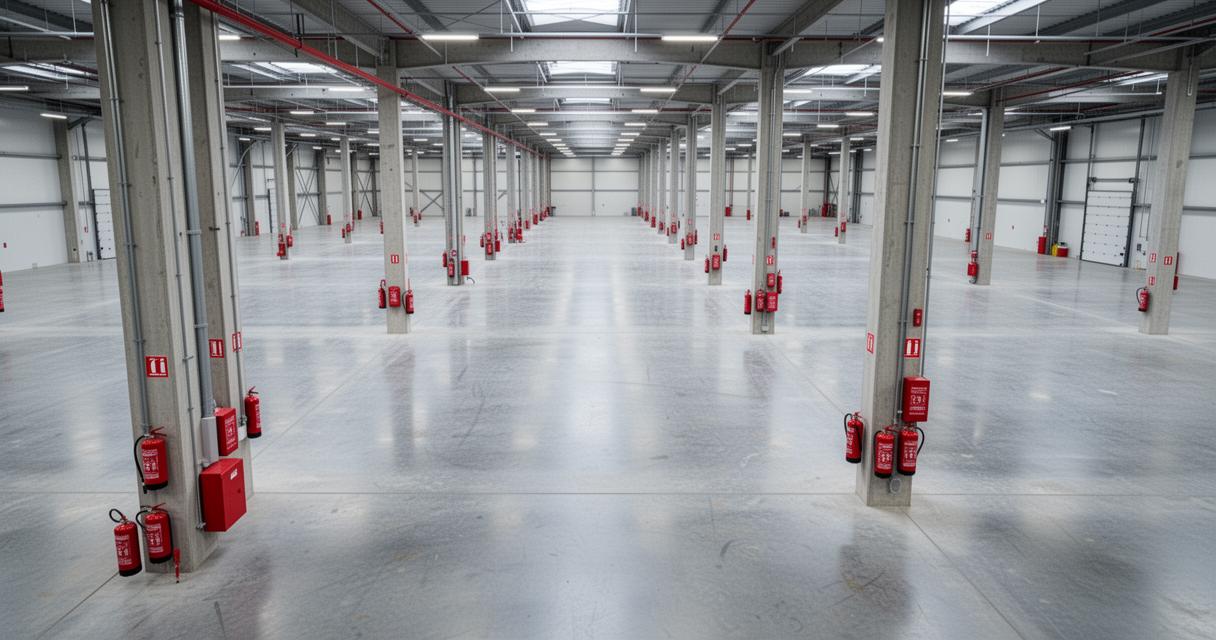
Routine fire safety equipment inspection catches minor issues — a worn seal, a slight pressure drop, a corroded component — before they escalate into the need for full replacement. A competent person inspection, carried out by a qualified technician familiar with current standards and fire safety regulations UK, ensures that small faults are remedied efficiently. This approach preserves the integrity of your equipment and avoids the considerably higher cost of replacing units that have been allowed to deteriorate.
The Long-Term Cost Benefits of Staying on Top of Inspections
The financial risks of non-compliance extend well beyond the cost of a replacement extinguisher. Failure to maintain fire safety certification records can invalidate insurance policies, attract enforcement notices, and in serious cases lead to prosecution. The responsible person duty carries genuine legal weight, and courts have demonstrated a willingness to pursue corporate liability where negligence is found. By contrast, businesses that invest in extinguisher pressure testing and thorough record-keeping demonstrate a clear duty of care — one that protects both their people and their financial position. Maintaining fire extinguisher servicing schedules is, quite simply, one of the most cost-effective risk management decisions any property owner or employer can make.