
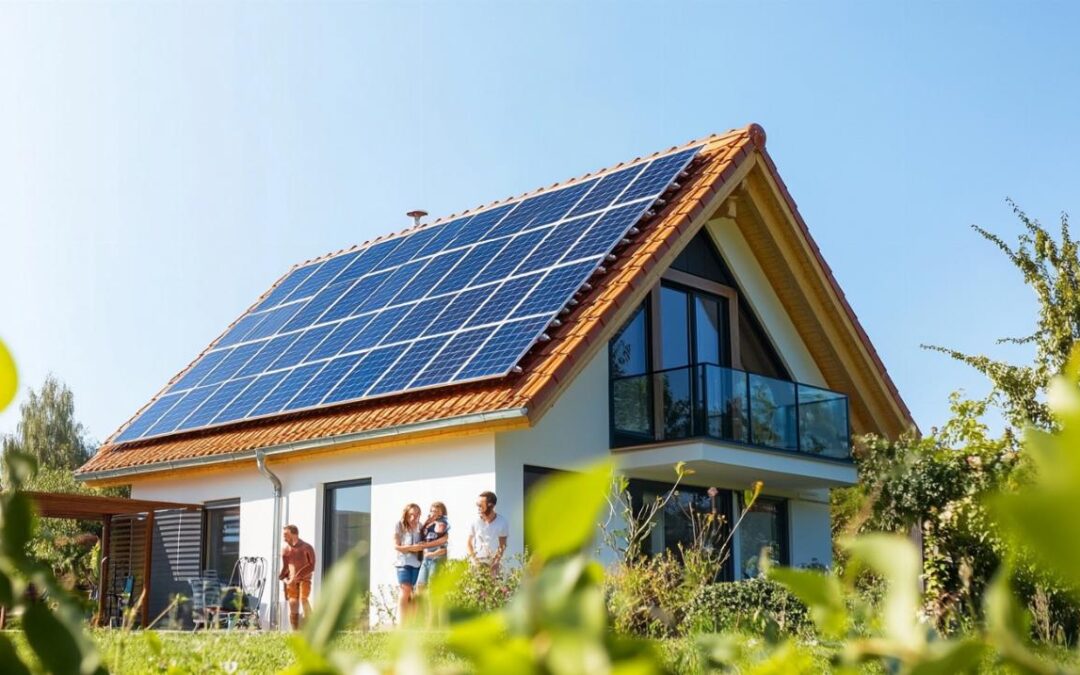
The transition to renewable energy has never been more straightforward, thanks to the innovative solutions offered by modern solar panel kits. These comprehensive packages bring together all the essential components needed to harness the sun's power, while sophisticated monitoring systems ensure you remain fully informed about your energy production and consumption. Whether you're considering a rooftop installation for your home or exploring portable options for your motorhome, understanding how these systems work and how to track their performance is essential for maximising your investment and contributing to a more sustainable future.
Understanding your solar kit's monitoring capabilities
Modern solar panel kits have evolved far beyond the basic hardware required to capture sunlight. They now incorporate intelligent monitoring technologies that transform how homeowners interact with their renewable energy systems. By utilising sensors and advanced software, these systems provide a comprehensive overview of how your installation performs throughout the day, week, and year. The data collected travels from your panels to a central gateway, which then transmits information to cloud servers for processing. This architecture enables you to access detailed insights through user-friendly apps or web portals, making it possible to understand your energy landscape at a glance. The integration of these monitoring capabilities means you're no longer operating in the dark about your system's health or efficiency, giving you the confidence that your investment is working as intended.
Real-time energy production tracking features
One of the most valuable aspects of contemporary solar monitoring systems is their ability to deliver real-time data about energy production. This functionality allows you to observe exactly how much electricity your photovoltaic panels are generating at any given moment, providing immediate feedback on system performance. The choice between string-level monitoring, which offers an overview of your entire installation, and panel-level monitoring, which tracks each individual component, can significantly impact your ability to identify issues. Homes equipped with microinverter monitoring, such as those using Enphase systems, may experience energy production increases ranging from five to fifteen percent compared to installations without such granular oversight. This detailed visibility is particularly beneficial in climates like Scotland's, where varying light conditions can affect output. By monitoring performance ratios and efficiency metrics, you can quickly diagnose problems that might otherwise go unnoticed, preventing production losses that could total ten to twenty-five percent over time. The ability to view historical reports alongside current data helps you understand seasonal patterns and long-term trends, ensuring your system continues to deliver optimal results year after year.
Mobile app integration and remote access options
The convenience of mobile app integration has revolutionised how solar system owners interact with their installations. Leading platforms such as Enphase Enlighten and SolarEdge mySolarEdge offer intuitive interfaces that display complex data in an accessible format, allowing users to check their system's status from anywhere with an internet connection. These applications typically provide comprehensive dashboards showing not only energy production but also consumption patterns, battery status for systems with storage, and grid export figures. The integration extends beyond simple monitoring, with many platforms offering smart home connectivity that enables you to coordinate your energy usage with production peaks, potentially increasing self-consumption by twenty to thirty percent. This intelligent coordination helps maximise the value of every kilowatt-hour your panels generate. Remote access capabilities mean you can identify and address issues promptly, minimising downtime and ensuring your system maintains peak efficiency. Popular monitoring solutions like ShinePhone for Growatt systems and GivEnergy's dedicated app have made sophisticated energy management accessible to homeowners without requiring technical expertise. Most monitoring platforms operate without monthly fees, making them a cost-effective addition to your solar installation that continues to provide value throughout the life of your system.
Simplifying your transition to renewable energy

Making the switch to solar power might seem daunting at first, but modern solar panel kits have been designed with simplicity in mind. These comprehensive packages include all the essential components needed to create a functional system, from the photovoltaic panels themselves through to inverters, charge controllers, and mounting hardware. The key to a successful transition lies in understanding your specific energy requirements and selecting a kit that matches your needs. Calculating your power consumption and considering the sunlight hours available at your location forms the foundation of this decision-making process. Whether you opt for monocrystalline panels known for their efficiency, polycrystalline alternatives offering good value, or specialised thin film options, each type has distinct characteristics suited to different applications. The choice between rigid panels for permanent rooftop installations, portable units for travel, or flexible panels for curved surfaces depends on your particular circumstances and installation location.
Step-by-step installation and setup process
The installation process for solar panel kits has become increasingly straightforward, though it remains essential to approach the task methodically. A basic kit includes solar panels and an inverter, while more comprehensive packages incorporate solar batteries for energy storage, charge controllers to manage power flow, and all necessary cabling to connect the components. The physical installation involves securing mounting hardware to your chosen location, positioning the panels for optimal sun exposure, and establishing the electrical connections that will bring your system to life. For those considering a do-it-yourself approach, it's worth noting that while possible, challenges around compatibility and quality control mean that many homeowners prefer professional installation. Companies offering all-in-one solutions, such as EcoFlow's Power Kits, have simplified the selection process by providing pre-matched components that work seamlessly together. These integrated packages eliminate the guesswork associated with ensuring different elements will function correctly when combined. Online calculators help determine the appropriate system size based on your energy consumption patterns, whilst professional installers bring expertise that can prove invaluable, particularly for roof-mounted systems requiring structural considerations and electrical certifications. The setup extends beyond physical installation to include configuring your monitoring system, connecting it to your home network, and downloading the relevant mobile applications that will keep you informed about your system's performance.
Maximising efficiency through smart monitoring tools
Once your solar system is operational, the focus shifts to optimising its performance through intelligent use of monitoring tools. These sophisticated platforms do far more than simply display energy production figures; they provide actionable insights that enable you to maximise your return on investment. By tracking your home energy consumption alongside production data, you can identify opportunities to shift electricity usage to times when your panels are generating power, reducing reliance on the grid and increasing the value derived from your installation. Modern panels typically achieve efficiency levels between eighteen and twenty-four percent, with premium models reaching up to nearly twenty-five percent, and monitoring helps ensure your system maintains these performance levels. A well-functioning residential installation of around six kilowatts should produce approximately eight thousand to twelve thousand kilowatt-hours annually, and tracking this output helps identify when performance falls below expectations. Regular monitoring can reveal efficiency losses before they become significant, allowing for timely intervention that prevents substantial production decreases. The environmental impact metrics displayed by monitoring systems provide tangible evidence of your contribution to carbon reduction, whilst performance history records can increase your property's value by demonstrating the reliability of your installation to potential buyers. Smart home integration capabilities allow coordination between your solar system and other technologies such as heat pumps, battery storage solutions like Tesla Powerwall or Enphase systems, and electric vehicle charging stations, creating a comprehensive energy ecosystem. Most modern solar panels come with warranties guaranteeing eighty to ninety percent of original output after twenty to twenty-five years, and monitoring data provides the documentation needed to support any warranty claims whilst helping you understand the gradual degradation of approximately half to just under one percent annually. Professional maintenance services, including system health checks, cleaning, and upgrades, can be scheduled based on monitoring data that indicates when intervention is needed, ensuring your investment continues delivering optimal returns throughout its operational life.